Most people think ranking globally requires backlinks, tools, or a full SEO team. It doesn’t.
I ranked #1 for “UAE visa” keywords globally — with none of that.
- No backlinks
- No Ahrefs strategy
- No complicated SEO system.
Just content, and not even “perfect SEO content” — just the most reasonable answer for the search.
Let me show you exactly what happened.
The Context (So You Know This Is Real)
This wasn’t a random low-competition keyword.
- Global keyword
- Millions of searches.
Competing with:
- visa agencies
- big travel platforms
- government websites.
And still — the page ranked #1.
Not for a few days.
For months.
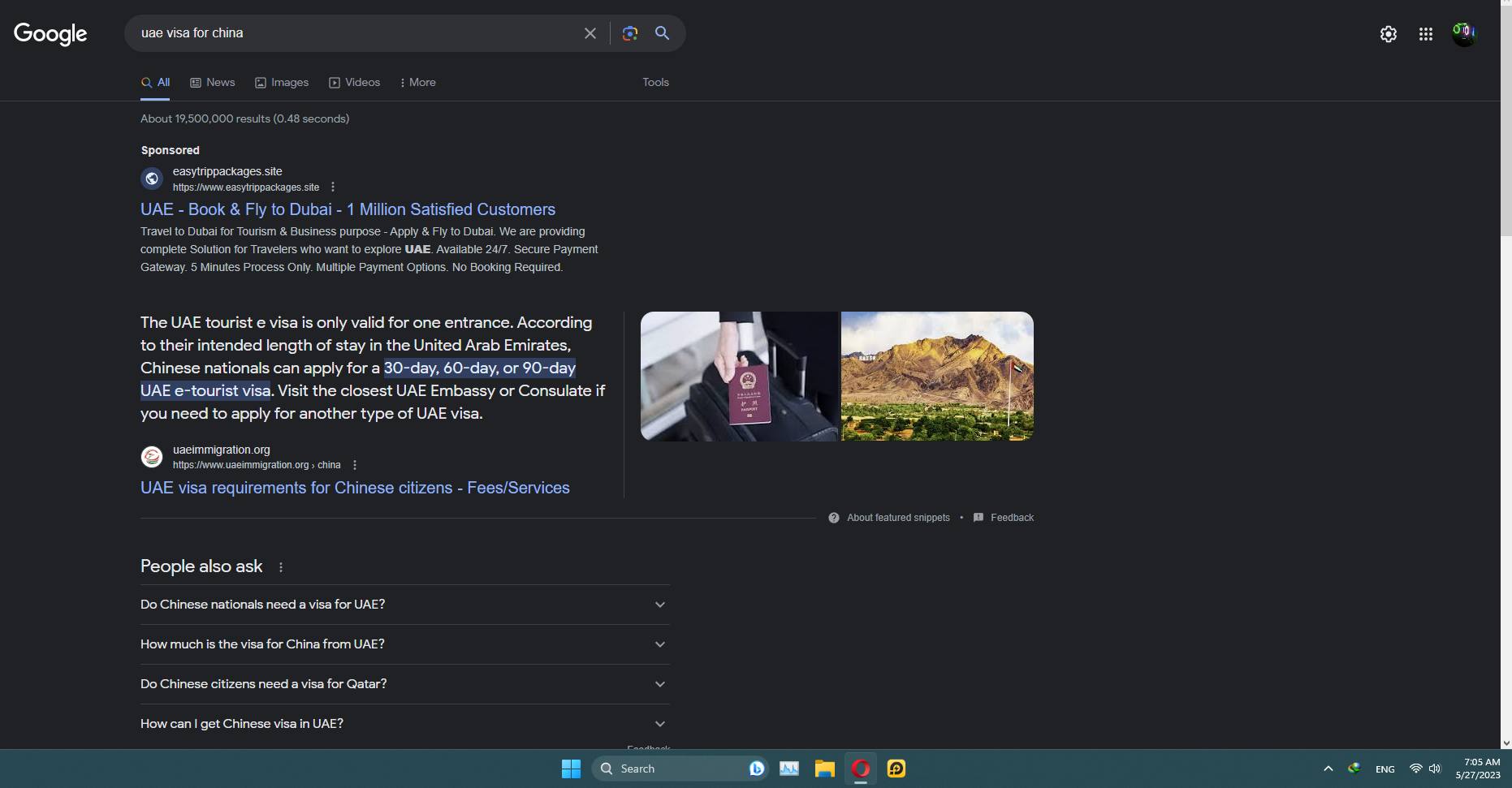
Don’t focus on the ranking itself, focus on why this page deserved it
What Most People Think Works (But Doesn’t)
If you search “how to rank SEO content”, you’ll see the same advice everywhere:
- Build backlinks
- Use internal links
- Optimize headings
- Do keyword research.
Sounds right. But here’s the problem: Almost every page doing that… still doesn’t rank.
Because they’re optimizing for SEO — not for the user.
What I Actually Did
I didn’t start with keywords.
I started with one simple question: What does someone searching “UAE visa” actually need?
Cào Cào didn’t guess this — I looked at real search queries to understand what people were actually trying to figure out, using Mangools (KWFinder).
And the answer is not “a long SEO article”, they want clarity & fast.
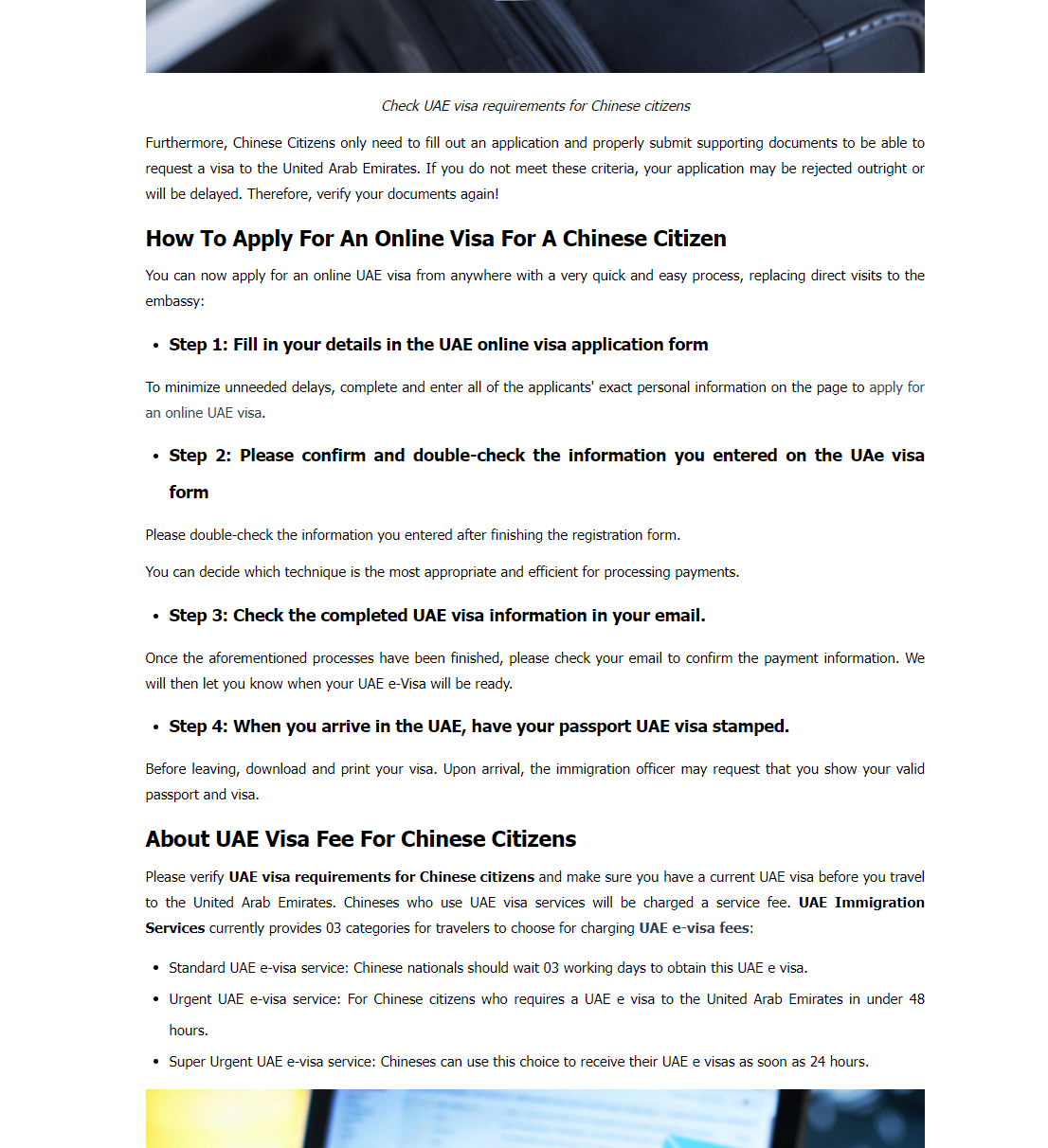
Most people would overcomplicate this, that’s why they don’t rank
1. Answer First — No Delay
The page immediately answered:
- What type?
- Who needs it?
- Do you need a visa?
- How long can you stay?
Please:
- No storytelling,
- No introduction,
- Just the answer.
2. Build Structure Around Real Questions
To see what people usually ask next, Cào Cào map follow-up questions using AlsoAsked — not to follow SEO rules, but to understand user flow.
Instead of “SEO headings”, I used:
- What could go wrong
- What they’re confused about
- What users actually wonder next.
That naturally created sections like:
- Requirements
- Process
- Fees
- Notes.
Not because SEO tools said so — but because users needed it.
3. Give Enough — Not Everything
This is where most people fail.
They either:
- write too little → not helpful
- or too much → overwhelming.
The page gave: exactly what the user needed to move forward.
Nothing more. Nothing less.
4. Make It Easy to Read (Without Thinking About “Readability Score”)
- Clear sections
- Short paragraphs
- Straight language.
No tricks. Just respect for the reader’s time.
5. One More Thing Most People Ignore
The page didn’t try to “look perfect”.
It just needed to be: the most reasonable result on that SERP.
And at that time — it was.
Why It Ranked (The Real Reason)
Not because of backlinks. Not because of “SEO optimization”.
But because: Google didn’t find a better answer for that search.
That’s it.
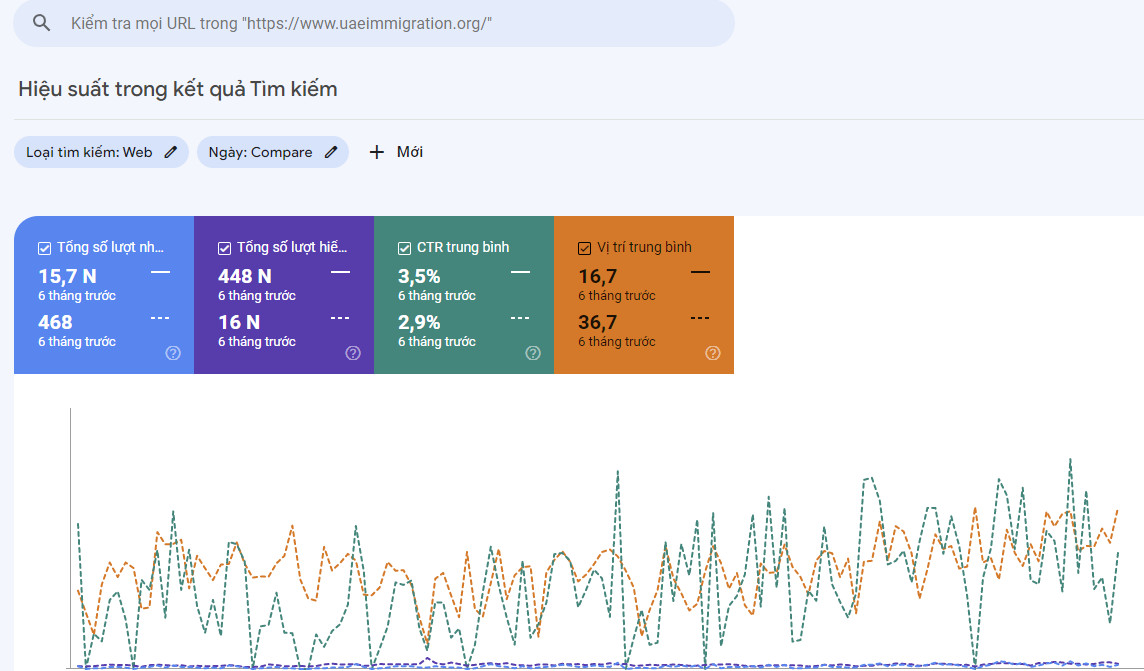
Not impressive, just enough to beat everything else
What This Actually Means for You
If you’re trying to write SEO content, stop asking:
- “What keywords should I use?”
- “How many words should I write?”
Start asking: “If I search this — what would I want to see?”
Then build your page around that.
The Truth Most People Won’t Tell You
Most SEO content doesn’t fail because it’s bad.
It fails because: it’s not the most reasonable answer available.
Final Thought
I’ve explained the thinking behind this in more detail in A Few Words About SEO Content — but here, you’re seeing it in action.
This page didn’t win because it was “perfect”, it won because it made the most sense.
And that’s what good SEO content really is, not what people say works — but what actually makes pages rank.