SEO content is content presented in a way that readers cannot misunderstand.
It’s not just about making things easy to understand — it’s about eliminating every possibility of misunderstanding.
Most guides on “how to write SEO content” revolve around:
- structure
- keywords
- on-page optimization.
But if readers still have to go back to Google to find the correct answer — then everything above is almost meaningless.
Doing SEO content is about redefining the user’s problem correctly — so they no longer misunderstand it.
The Real Problem of SEO Content Is Not in the Writing
It’s not that you lack:
- headings
- keywords
- keyword density.
👉 The real problem is: you don’t know where the reader is misunderstanding.
Users don’t search because they “know nothing.”
They search because they:
- misunderstand
- understand partially
- or misunderstand the core of the problem.
👉 If you don’t hit this exact point:
You can write something very “SEO-optimized,” but it will never become the final answer.
At its core, SEO content begins by fixing a misunderstanding — not by optimizing content for search engines.
Step 1: Identify the Biggest Misunderstanding
Before writing anything, you need to answer:
👉 What is the user misunderstanding?
Not what keyword they search for, but:
👉 What are they thinking when they search it?
Cào Cào doesn’t guess what users are searching for — I look at real queries through Mangools (KWFinder) to see how they actually think about the problem.
Examples:
“how to write SEO content”→ most people think: checklists, structure, formulas
“what is SEO content”→ most people think: content with keywords
👉 The real misunderstanding:
They think SEO content is an SEO technique — instead of how readers understand content.
Once you see that, you are no longer just writing content — you are correcting perception.
Step 2: Compress Everything Into One Clear Definition
This is the most important part.
This is where everything is decided.
👉 You need one sentence that is:
- short enough to read once
- clear enough to require no explanation
- precise enough to avoid any misunderstanding
Example:
SEO content is presenting content in a way that ensures readers cannot misunderstand it.
If your sentence:
- still needs explanation → it’s not enough
- can be interpreted in multiple ways → it fails
👉 Writing SEO content is not about writing more.
👉 It’s about removing everything unnecessary
until misunderstanding is no longer possible.
Step 3: Write the Article to Protect That Definition
Once you have the SEO core definition, everything else becomes simple.
👉 The entire article only needs to do three things:
- eliminate common misunderstandings
- clarify the meaning of the definition
- provide examples to prove it
To see what people tend to misunderstand next, Cào Cào map follow-up questions using AlsoAsked — based on real “People Also Ask” data from Google — to see what users are actually trying to figure out next — not what we assume they need.
❌ You don’t need:
- checklists
- SEO theory
- complex frameworks.
👉 Every paragraph exists for one purpose: to make sure the reader cannot misunderstand your definition.
If a paragraph doesn’t serve that purpose → remove it.
Step 4: Test — Does the Reader Still Need to Search?
This is the final test. And the only one that matters.
👉 Ask yourself:
After reading this, does the reader still need to search for another result?
- If yes → the content is not finished
- If no → you’ve written SEO content correctly
👉 This is the key difference:
- Traditional SEO: add more information.
- Real SEO content: end the need to search.
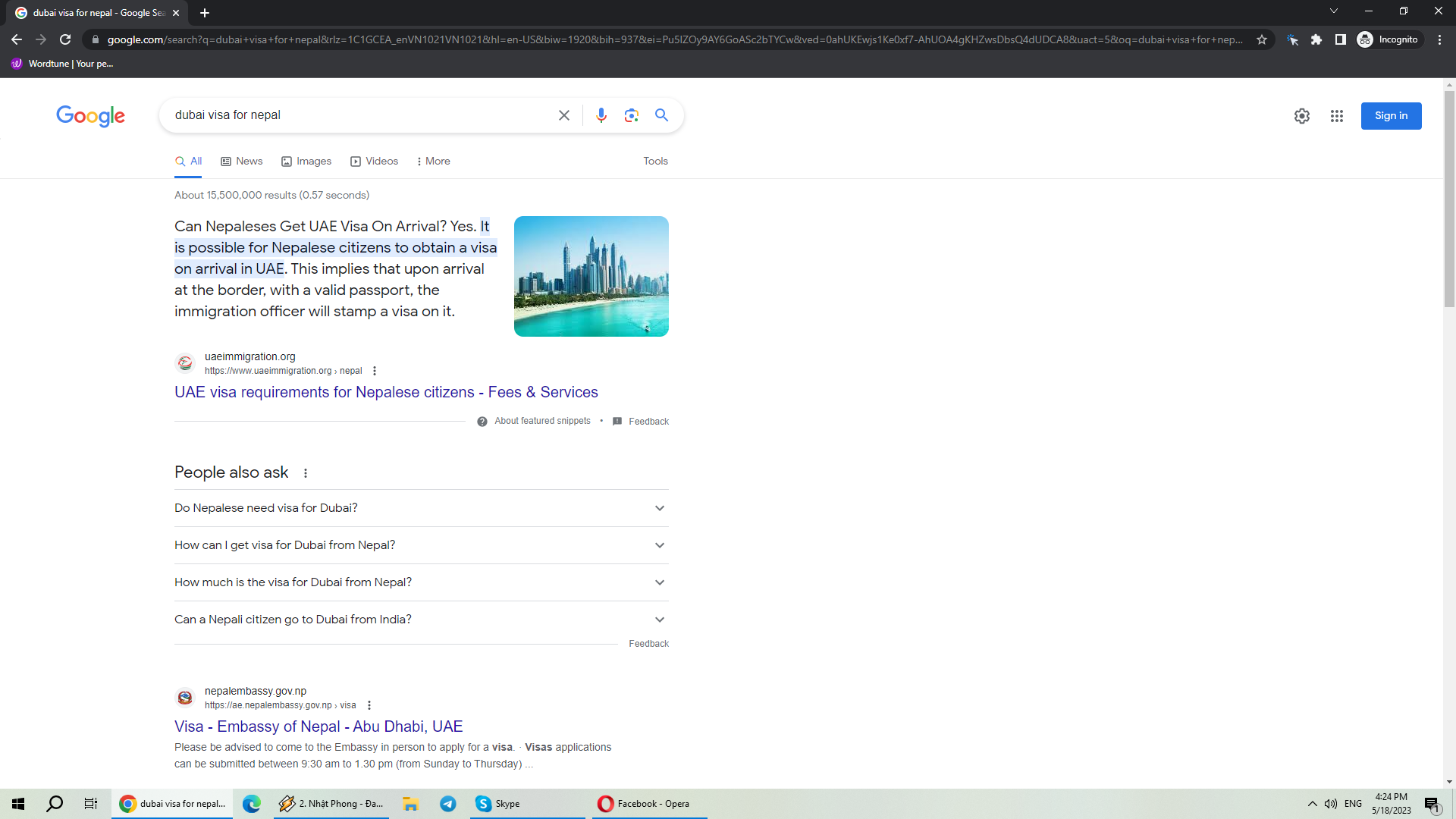
Example of a final search result that fully answers the query — no further search needed
SEO Content Is Not Just an SEO Technique
You don’t need to:
- write longer
- add more keywords
- optimize more structure.
👉 You only need to: clarify the exact point where the reader is misunderstanding.
When that happens:
- they don’t search again
- they don’t compare further
- they don’t need another result.
👉 And that’s when Google no longer needs to send them anywhere else.
Conclusion
If you want your content to rank, focus on becoming the final stop of the user’s search journey.
If the reader doesn’t need anything else after reading your content → you’ve done it right.
* Always remember:
SEO content is about redefining the user’s problem — until they cannot misunderstand it.
If the reader can still misunderstand — it is not SEO content.