Most SEO content asks: “How do I rank?”
Almost no one asks the only question that actually matters in SEO content: “When is a piece of SEO content enough for Google to commit?”
This is the final question of SEO content — and the one Google actually cares about.
SEO Content Is Not About Ranking — It Is About Being Chosen
Most people still think:
- SEO = ranking
- SEO content = optimized content.
That is not what actually happens.
👉 SEO content is not created to rank. It is created to be chosen by Google.
And being chosen is a different standard entirely.
This only makes sense if you understand what SEO content really is — not optimization for search engines, but optimization of how people read and understand your content until no other result is needed.
“Enough” Is Not About Quality (SEO Thinking Is Wrong Here)
In traditional SEO thinking, content becomes “enough” when it is:
- correct
- detailed
- optimized
- well-structured.
That is wrong.
👉 SEO content does not become “enough” because it is good.
👉 It becomes “enough” because Google has no safer alternative to choose.
What “Enough SEO Content” Actually Means
A piece of SEO content is “enough” when: Google can confidently commit to it as the answer.
Not because:
- you explained everything
- you covered all keywords
- you followed SEO best practices.
But because:
- no other result looks safer to show
- no important interpretation is missing
- the user does not need another result
- no competing page solves something you don’t.
👉 That is the real threshold of SEO content.
👉 Not ranking. Not optimization. Commitment.
“End of Search” Is Only Half of SEO Content
Many people believe: “If the user stops searching, the content is good.”
That is only half of the system.
- End of search = user is done
- Enough for Google to commit = Google trusts the result
👉 SEO content must do both.
Because:
- A page can end search for some users…
- But still not be chosen by Google.
Why?
- It doesn’t cover all variations
- It feels incomplete in edge cases
- Another page looks more reliable overall.
👉 SEO content is not judged once. It is judged across many users, many queries, many situations.
Why “Correct SEO Content” Still Doesn’t Get Chosen
This is where most SEO content fails.
A piece of content can be:
- logical
- correct
- optimized
- even “SEO-friendly”.
…and still not be chosen.
Because:
Correct is not the standard in SEO content.
Certainty is.
👉 Google does not choose: the most correct content.
👉 It chooses: the content that removes the most uncertainty.
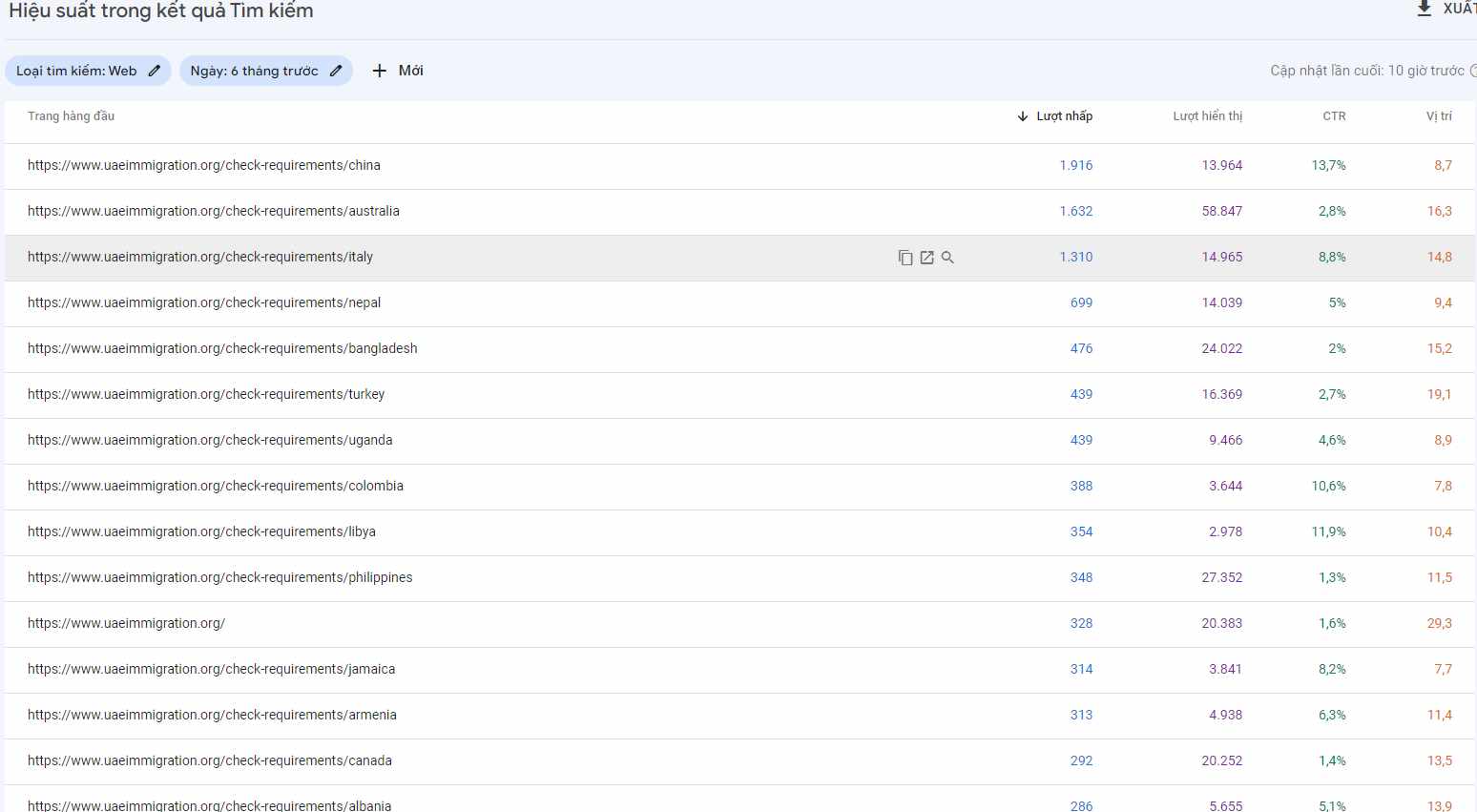
One URL dominating multiple variations of the same search intent — this is what happens when content becomes “enough” for Google to commit
The Real SEO Content Threshold
Your SEO content becomes “enough” when:
- users don’t search again
- users don’t feel the need to verify
- Google cannot find a safer alternative
👉 At that point: Choosing your SEO content is the lowest-risk decision for Google.
What Prevents SEO Content from Being “Enough”
Most SEO content does not fail because it is bad. It fails because something is still missing.
Common gaps:
- one assumption left unclear
- one scenario not addressed
- one misunderstanding not removed
- one competing interpretation still valid
👉 These gaps are small.
👉 But they are enough to prevent commitment.
Because: If users still go somewhere else, Google cannot commit to your SEO content.
SEO Content Is Not a Single Page — It Is a System
This is where traditional SEO fails. It treats content as individual pages.
👉 SEO content works as a system.
You become “enough” when:
- your content covers all key variations
- your pages reinforce the same meaning
- your system removes every reason to look elsewhere.
👉 One good article can rank.
👉 Only a complete SEO content system can force commitment.
The Real Decision Behind SEO
Google does not ask: “Is this SEO content good?”
It asks: “Can I rely on this SEO content as the answer?”
And when the answer becomes “yes”…
👉 Google commits.
Conclusion
SEO content is “enough” when there is no reason left to show anything else.
When users no longer need another result, and Google has no reason not to choose yours — that’s when SEO content is truly enough.